
Expandable Container Homes in WA: Stylish, Smart & Ready to Move
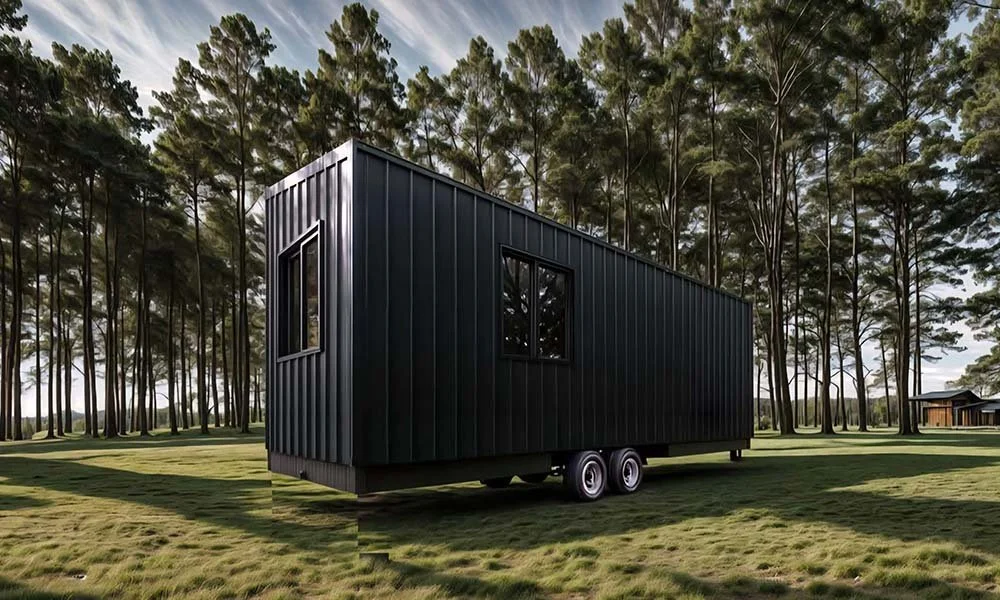
Looking for a modern housing option that won’t break the bank? Expandable container homes in WA: stylish, smart and ready to move might be just what you need.
These portable structures blend convenience and cost-effectiveness, giving you an adaptable living space without a hefty mortgage.
Below, you’ll find practical insights on why portable homes are on the rise in Western Australia, plus a handy comparison of popular options.
By the end, you’ll have a clear sense of what might work best for you, whether you’re keen on a cozy 20ft model or a spacious 40ft layout.
Explore WA portable homes
Portable homes in Western Australia have soared in popularity thanks to a few simple reasons: affordability, flexibility, and minimal fuss.
When you opt for one of these dwellings, you can enjoy a space that fits snugly on your property and requires fewer permits than most traditional builds. You’re also free to relocate your home if your lifestyle changes.
They’re cost-efficient because they recycle shipping containers as core materials
They’re built to handle Australia’s varied climate
They let you customise interiors and finishes to suit your taste
If you’d like to keep things simple while still feeling right at home, a portable container unit could be your answer.
Compare 20ft, 30ft, and 40ft
Portable container homes usually come in three main lengths: 20ft, 30ft, and 40ft. Each size offers unique advantages, so picking the right one mostly depends on your space requirements and budget.
Ideal if you want something compact and easy on the wallet
Quick to set up and fits into tight spaces
Great for a single person, a small office, or an extra guest suite
Offers a bit more room for extra storage or a living area
Balances affordability with comfort
Can be used as a studio or small family home with clever planning
Perfect if you need multiple rooms or a larger living-dining combo
Provides extra kitchen space, plus the possibility of a separate bathroom
Ideal for families or those wanting more breathing room
Still unsure about which size feels right for you? Think about how many people will live there and how much indoor-outdoor flow you’d like.
Discover popular Perth layouts
Western Australia’s love for spacious living pairs well with container homes. Perth homeowners in particular have gravitated toward designs that maximise natural light and cool breezes. Here are some of the most popular floor plans you’ll find:
Open-concept living area: Large glass doors and windows invite the outdoors in
Partitioned bedroom nook: Uses sliding or folding walls to separate sleep space
L-shaped kitchen: Ensures that cooking space doesn’t consume your entire living area
Many Perth residents also opt to add a small deck for alfresco dining or weekend barbecues. A carefully placed deck extends your container home’s footprint without adding much to the overall cost.
Pick the right pod or office unit
Thinking about adding a home office or a standalone pod? Container structures work brilliantly here, too. They’re easy to modify and can turn into a separate workspace, studio, or granny flat. By choosing a design that suits your tasks, you’ll have everything you need without commuting or crowding your main living area.
Office pods let you enjoy deep work away from household noise
Studio spaces can handle creative pursuits like painting or crafts
Guest pods provide a comfortable spot for friends or family to stay overnight
Before choosing an office or pod setup, decide if you’d like plumbing for a small bathroom or kitchenette.
Also, check local council guidelines so you’re up to date on any permit requirements.
Embrace expandable container homes
If you’re after a bigger, more flexible layout, consider expandable container homes in WA: stylish, smart & ready to move.
These innovative designs fold and unfold to create added rooms or larger living zones, all while starting out in a relatively compact form. You can position them on your property in a matter of days, reducing the hassle that often comes with standard construction.
Expandable models are especially handy if you have a small lot or if you’re planning future expansions.
Setting one up is straightforward, and you’ll get more square footage without building a brand-new structure. It’s a smart way to secure extra space for a growing family or visiting relatives.
Key benefits at a glance
Rapid setup that fits tight timelines
Less waste than traditional home-building methods
Option for modular additions down the road
Conclusion
Expandable container homes promise you a fresh, flexible, and cost-friendly way to secure your own place. They’re designed to handle Aussie conditions and adapt to your ever-changing lifestyle.
Whether you pick the 20ft, 30ft, or 40ft option, you’ll find that these homes combine style and practicality in ways that standard houses sometimes miss.
If you’re ready to explore further, speak with the team at Factory Fit Homes about setting up an expandable container home or a portable office solution. They’ll guide you through layout designs, pricing, and everything you need for a smooth installation.
Frequently asked questions
How long does it take to build an expandable container home?
It typically takes a few weeks for planning, manufacturing, and delivery. Setup on-site often only takes a few days, which is faster than most traditional homes.
Are container homes safe to live in all year round?
Yes. These containers are built from sturdy steel and can be well-insulated to keep you comfortable in various temperatures. Always ensure your home meets local building codes.
Can I customise the interior layout?
Absolutely. You can choose everything from the floor plan and materials to finishes and fixtures, making it unique to your style and needs.
Do I need special permits for a container home?
Permit requirements vary by location. You’ll want to check with your local council to confirm rules on plumbing, electricity, and occupancy.
Is financing available for container homes?
Some lenders do offer loans for alternative housing. You’ll need to discuss your situation and home details with your preferred lender or consult a specialist in non-traditional mortgages.
