
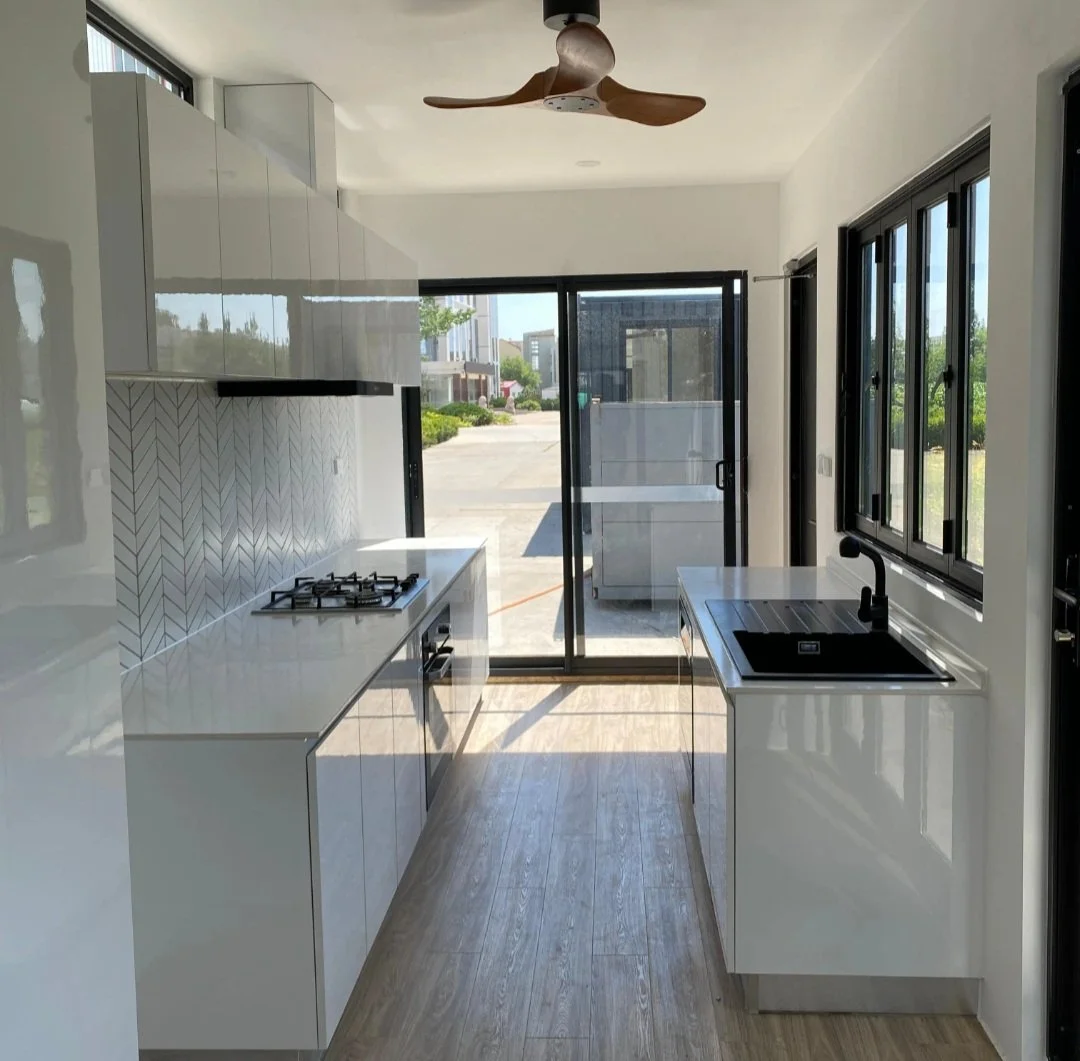
You might be standing on your block of land in Western Australia, scratching your head: what’s the best type of prefab home for me, modular or transportable? Whether you’re fed up with endless delays in traditional builds or you want a faster, smarter way to own a home, knowing the difference matters.
Right now, WA’s housing landscape is evolving fast. Demand for flexible, affordable, and quality housing solutions is higher than ever. In fact, modular and transportable homes are increasingly recognised as efficient, practical options that minimise on‑site disruption and long construction waits.
Today you’ll get a clear, no‑nonsense breakdown of both options, including modular homes in WA, transportable homes in WA, and what each means for your lifestyle, budget, and long‑term goals. Let’s dive in.
How Modular Homes Work in WA?
Modular homes are assembled from distinct, factory‑built modules. Each module is meticulously designed under controlled conditions and then transported to your site for assembly.
This approach has several advantages over traditional methods:
Quality control: Built in factory environments, meaning less chance of weather‑related delays.
Faster build times: Modules can be constructed while approvals are underway.
Design flexibility: Many floor plans and custom layout options.
By the time modules reach your land, much of the heavy work is already done. The result? A structure that feels permanent, efficient, and structurally robust, just like a traditional home.
What Are Transportable Homes in WA?
Transportable homes are a bit broader in concept. Essentially, these are prefab homes constructed off‑site and then transported to your land for immediate use.
They’re a popular choice for:
Remote locations
Secondary dwellings
Temporary workforce housing
Low‑cost residential options
Unlike modular homes, transportables don’t always require detailed on‑site assembly. Some are essentially ready to occupy once placed and connected to utilities.
Modular vs. Transportable: Key Differences Explained
To grasp the choice between modular homes WA and transportable homes WA, let’s unpack their core differences:
1. Construction Method
Modular homes are factory‑built in sections and assembled on site, often connected to permanent foundations. Transportable homes are typically complete assemblies transported to the site, sometimes without extensive on‑site work.
2. Design Flexibility
Modular homes: Offer higher design customisation and interior choices.
Transportable homes: More limited design decisions but quicker delivery.
3. Use Case
Modular: Permanent living with long‑term value.
Transportable: Ideal for temporary or semi‑permanent needs.
4. Assembly Timeline
Modular: Construction and approvals often run in parallel.
Transportable: Very fast once built, you might be living within weeks.
5. Compliance and Standards
Modular homes often meet strict building standards in Australia, while transportables may vary based on use case and council rules.
Benefits of Choosing Modular Homes WA
If you’re considering modular vs transportable for your primary residence, modular homes come with a host of benefits:
Reduced construction waste due to precision factory methods.
Shorter overall timelines compared with site builds.
Better energy efficiency options.
Customisable layouts to suit your lifestyle and block needs.
Modular homes are increasingly seen as a solution to housing shortages and sustainability goals across Australia.
Cost Comparison: Reality Check for Buyers
One of the biggest concerns for home buyers is cost, and prefab homes usually win over site builds here.
Generally speaking:
Transportable homes can start at lower upfront costs due to simpler assembly.
Modular homes might cost a bit more upfront, but offer greater long‑term value and quality similar to a traditional house.
Remember to factor in site preparation, utility connections, and any council fees for either model.
Timeline Differences: How Soon Can You Move In?
Time to completion is one area where prefab homes truly shine:
Modular home components can be built while permits are processed.
Transportable homes may be delivered and ready sooner with minimal on‑site work.
This rapid turnaround is a major advantage if you’re under time pressure or need immediate accommodation solutions.
Council Approvals and Site Considerations in WA
Whether you choose modular or transportable, you will likely need council approvals depending on your location, local zoning, and intended use.
In some regional or remote parts of WA, certain types of prefab homes might have fewer restrictions. That said, always check with local authorities before committing.
Make the Right Choice for Your Future with Factory Fit Homes
When you’re choosing between modular and transportable homes in WA, understanding how each option works helps you make a confident decision. Modular homes in WA offer customisation, quality, and long‑term comfort, while transportable homes WA bring speed, efficiency, and flexibility.
At Factory Fit Homes, we deliver prefab homes WA residents trust, from smart space solutions to full‑size modular dwellings that suit many lifestyles and land types. We custom-design, construct, and deliver quality homes crafted for comfort and durability in Western Australia.
Ready to take the next step and explore your prefab homes WA options? Get in touch today to discover more about modular homes in WA and transportable homes in WA, and get your personalised journey started with Factory Fit Homes.
Frequently Asked Questions
1. What’s the main difference between modular and transportable homes?
Modular homes are built in sections and then permanently assembled on site, while transportable homes are constructed off‑site and delivered ready to use. Each suits different needs: modular for long‑term living and transportable for flexibility.
2. Are modular homes durable in WA’s climate?
Yes, modern modular homes are designed to withstand Australia’s harsh weather with quality materials and construction methods that surpass older relocatable structures.
3. Can I customise my transportable home?
To some extent, transportable homes often allow layout variations, but modular homes generally offer more design flexibility and personalisation.
4. Do I need council approval for prefab homes in WA?
In most cases, yes whether modular or transportable, approvals depend on your local council’s zoning, intended use, and land type.
5. Which option is cheaper, modular or transportable?
Transportable homes often have lower upfront costs, but modular homes offer long‑term value, better quality, and potential resale advantages.
