
Why Transportable Homes in Western Australia Are a Smart Investment
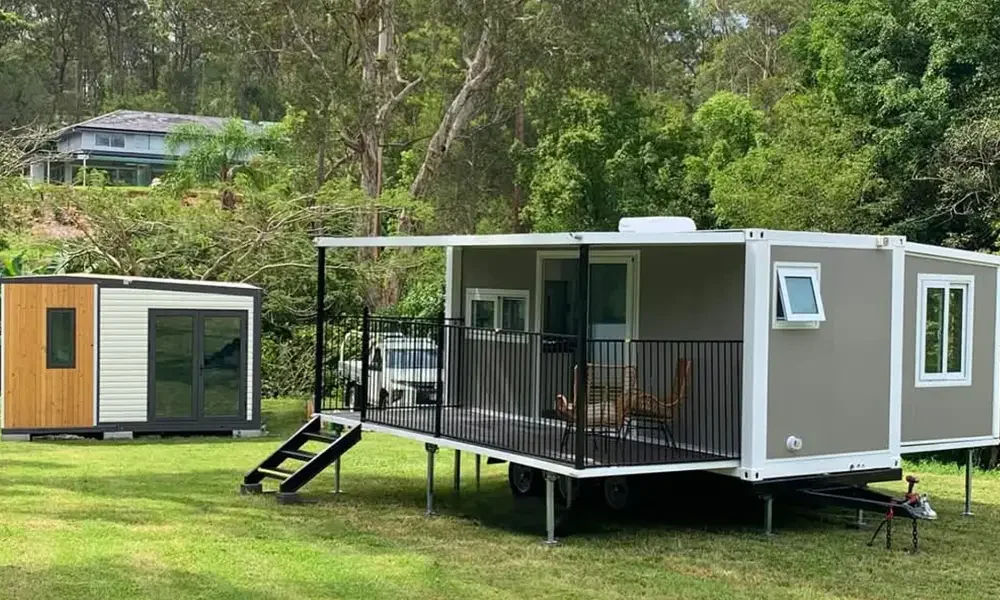
The Western Australian housing market can be tough to navigate. Prices fluctuate, demand changes, and building a traditional home can take over a year. More people are now considering transportable homes as a real alternative, not just a temporary fix.
Modern transportable and modular homes in WA meet the same standards as traditional houses. They are often built in controlled factory environments, ensuring quality. These homes are faster to install, cost less upfront, and make financial sense over time.
The Cost Advantage Is Real
Let’s dive into the numbers. Modular homes in WA typically cost between $120,000 and $350,000. This depends on size, finishes, and customization. That's much less than building a traditional home in Perth, where construction costs can hit $2,500 to $3,500 per square metre.
Savings come from various factors. Factory construction allows bulk purchasing of materials, reduces waste, and avoids weather delays. Labour costs are more predictable since the build happens in a controlled environment with set timelines.
Many overlook the holding costs during construction. With transportable homes, you don’t pay rent elsewhere while waiting for a traditional build. Most transportable homes can be delivered and installed in 8 to 16 weeks once your site is ready.
Ex-display transportable homes for sale in WA can increase those savings. These show homes are often sold at a discount, typically 10% to 20% below standard pricing.
Flexibility That Traditional Homes Can't Match
Property investment is about options, not just buying and hoping for appreciation. Transportable homes offer flexibility that traditional construction doesn’t provide.
If you buy land in a growing regional area, you can quickly install a transportable home. This allows you to earn rental income or use it while the area develops. If the region doesn’t work out, you can relocate the home to a new site.
This flexibility is crucial in WA's diverse property market. Mining towns can boom and bust. Coastal areas shift in popularity. Regional centres like Bunbury or Geraldton experience growth spurts. With a transportable home, you’re not locked into one location's fortunes.
The flexibility extends to property use. Need a granny flat for aging parents? A transportable home can serve that purpose. Want to start small and expand later? You can add modules. Planning to use it as a short-term rental in a tourist area? The lower initial investment means a shorter return on investment timeline.
Zoning and Placement Considerations
Not every site in Western Australia will accept a transportable home without some planning. Local councils have different rules about what they classify as a dwelling versus a temporary structure.
In Perth metro areas, most councils treat modern transportable homes like traditional builds, as long as they meet building standards. Regional areas can be more flexible, but some have specific requirements about minimum dwelling sizes or aesthetic guidelines.
Working with manufacturers who know WA regulations is key. They can tell you if your chosen site will work and what approvals you'll need. Generally, you’ll follow the same development approval process as a traditional build, but the timeline is faster.
Coastal areas have extra requirements for cyclone ratings and wind resistance. Transportable homes built for WA conditions already consider these factors. They are engineered to handle the climate, from the heat in the Pilbara to the wind in Albany.
Environmental Benefits That Save Money
Sustainability is a real financial consideration when investing in property. Transportable homes built in Western Australia have environmental advantages that lead to lower running costs.
Factory construction produces less waste than traditional building. Off-cuts get reused, and materials are ordered precisely to avoid over-purchasing.
Energy efficiency is where ongoing savings stack up. Modern transportable homes in WA often exceed minimum insulation standards. Factory construction ensures every cavity is insulated, every seal is tight, and every window meets specs.
This is crucial in WA's climate. Summer cooling costs in Perth can be high. A well-insulated transportable home with double-glazed windows can cut energy bills by 30% to 40% compared to older traditional homes. Over 20 years, that’s significant savings.
Solar panel installation is often easier on transportable homes. The roof structure is designed in advance, accommodating panel mounting points. Some manufacturers even offer solar as a package option, installed before delivery.
Water efficiency features like rainwater tanks and grey water systems fit well into transportable home designs. In regional WA, where water costs can be high, these are smart investments that pay off.
Long-Term Value and Resale Reality
Do transportable homes hold their value in Western Australia? The honest answer is they can, but it depends on several factors. A quality transportable home on freehold land appreciates similarly to traditional homes in the same area. The land drives most of the value growth.
Modern modular homes last 50 to 60 years with proper maintenance. This lifespan is comparable to many traditional timber-frame homes in WA. They are built to Australian building codes with the same materials, wiring, and plumbing as site-built houses.
Where transportable homes can struggle is perception. Some buyers think they are inferior to traditional builds, even when quality is identical. You might have a smaller buyer pool at resale.
However, transportable homes attract specific buyers who value them. Investors looking for quick rental properties, retirees wanting low-maintenance homes, or buyers prioritizing affordability often move faster and negotiate less. They understand the value proposition.
Practical Considerations for WA Investors
If you're considering transportable homes as an investment in Western Australia, here are practical things to keep in mind.
Location is still crucial. Transportable homes work best in growth corridors around Perth, regional centres with stable jobs, or lifestyle locations with tourism potential. The same suburbs that are good for traditional homes are also good for transportable homes.
In Perth, areas like Baldivis, Byford, and suburbs in the northern corridor show solid growth. Regional areas like Busselton, Dunsborough, and Margaret River have strong short-term rental markets where transportable homes can yield good returns. Mining areas like Port Hedland can work if you understand the cycle and have an exit plan.
Financing is straightforward. Most major lenders offer standard home loans for transportable homes on freehold land. You’ll typically need at least a 20% deposit. The key is that the home must be permanently affixed to the land and meet building standards.
Site preparation costs should be in your budget. Proper foundations, utility connections, and access for delivery trucks are essential. In Perth metro areas, site prep usually costs $15,000 to $30,000. In regional areas with difficult access, costs can be higher.
Timing matters for investment decisions. Construction costs keep rising, land prices in good areas rarely drop, and rental demand in WA remains strong. If you find a good location and the numbers work, waiting for a perfect moment often means missing opportunities.
The Smart Money Is Paying Attention
More investors are adding transportable homes to their portfolios in Western Australia. They are not a replacement for everything else but a strategic option that makes sense in specific situations.
Transportable homes are smart for investors wanting to build equity faster through lower initial costs. They suit buyers needing flexibility due to job changes. They also appeal to anyone wanting a quality home without the long wait and stress of traditional construction.
The key is to have realistic expectations. Transportable homes aren’t magic. They won’t appreciate faster than land values justify. But they will get you into the market cheaper, faster, and with less risk than many alternatives.
If you're ready to explore modern transportable homes, Factory Fit Homes can help you find options that match your investment goals. The WA property market moves quickly, and having the right information means you can make confident decisions.
Frequently Asked Questions
How much does a modular home actually cost in Western Australia?
Most quality modular homes in WA range from $120,000 to $350,000 based on size and finishes. You’ll also need to budget another $15,000 to $30,000 for site preparation, plus land costs if you don’t already own a block.
What's the realistic lifespan of a transportable home in WA's climate?
Modern transportable homes built to Australian standards last 50 to 60 years with proper maintenance. They are constructed with the same materials as traditional homes and built to handle WA's climate. Choose a manufacturer who builds specifically for Australian conditions.
Can I get finance for a transportable home the same way as a traditional house?
Yes, major lenders treat transportable homes on freehold land like traditional builds for loans. You typically need a 20% deposit, and the home must be permanently affixed to the land. Some lenders have specific policies, so check before you start shopping.
Which WA suburbs make the best investment sense for transportable homes?
In Perth, growth corridors like Baldivis, Byford, and suburbs in the northern corridor work well. Regional areas like Busselton and Margaret River are strong for short-term rentals. The same investment principles apply as traditional homes—land value and rental demand drive returns.
Do transportable homes appreciate in value like traditional houses?
Quality transportable homes properly installed on freehold land appreciate similarly to traditional homes in the same area. The land drives most value growth. The home itself is a depreciating asset, but well-maintained transportable homes hold their value over decades. The buyer pool can be smaller at resale, but buyers who understand them often move faster.
